
Many clients arrive in my office having heard the terms lipedema and lymphedema used interchangeably.
While these conditions can share some similarities, they are actually very different—and understanding the distinction is important when seeking appropriate care.
As a certified Manual Lymphatic Drainage therapist, I frequently work with clients navigating both conditions and the challenges they create in daily life.
As a lipedema patient, I am highly aware of the similarities – and differences – in these two conditions.
What Is Lipedema?
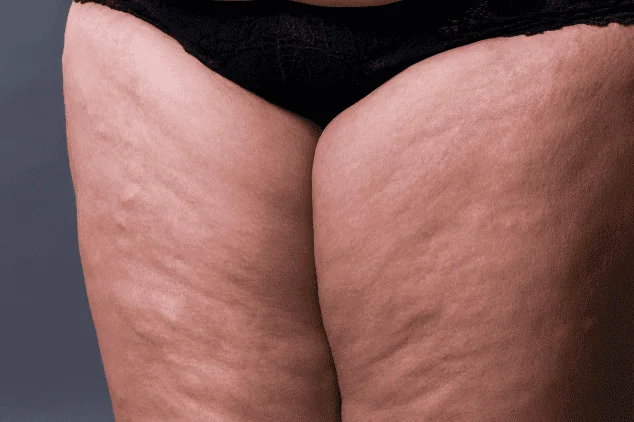
Lipedema is a chronic condition involving abnormal fat accumulation, most commonly in the legs and sometimes the arms. However, one may have lipedema tissue in any adipose tissue on the body.
People living with lipedema often describe:
- Tenderness
- Easy bruising
- Heaviness
- Pain
- Disproportionate fat accumulation
One of the most frustrating aspects of lipedema is that the affected tissue often does not respond significantly to diet and exercise alone. Lipedema can affect men but it is far more prevalent in females.
Unfortunately, many individuals spend years searching for answers before receiving an accurate diagnosis.
What Is Lymphedema?
Lymphedema is a condition involving impaired lymphatic drainage and the accumulation of lymph fluid within the tissues.
Common symptoms may include:
- Swelling
- Tightness
- Heaviness
- Reduced mobility
- Changes in tissue texture
Lymphedema may develop after surgery, radiation treatment, trauma, infection, or as a primary condition. It may also occur as a secondary condition with certain primary conditions such as lupus, chronic venous disease, and obesity.
Can Someone Have Both?
Yes.
In some cases, individuals living with lipedema may also develop lymphatic impairment, creating a combination often referred to as lipo-lymphedema.
This is one reason proper assessment and individualized care are so important.
How Can Lymphatic Drainage Help?
Manual Lymphatic Drainage is not a cure for lipedema or lymphedema.
However, MLD is a front-line treatment to manage and provide relief from both conditions. <any individuals find that specialized lymphatic treatment helps support comfort, fluid management, and overall quality of life.
Because every person presents differently, treatment should never be approached with a one-size-fits-all mindset.
My Approach to Lymphatic Care
When I chose to pursue advanced lymphatic training, it was because I wanted to better serve clients whose needs extend beyond traditional massage therapy. And my personal experience as a lipedema patient informs my understanding of how valuable this work can be, and how much relief it can provide.
Understanding the pathophysiology of lymphatic conditions allows me to tailor treatment to each person’s unique circumstances.
Whether you’re newly diagnosed or have been managing symptoms for years, my goal is to provide knowledgeable, compassionate care in a comfortable environment.
Lymphatic Drainage Therapy in Prescott
If you’re living with lipedema, lymphedema, or unexplained swelling, specialized lymphatic care and MLD may provide relief for your symptoms.
Every treatment begins with understanding your goals, your history, and the challenges you’re facing so we can create an approach that is appropriate for you. Please reach out with any questions.
Massage therapy plays a unique role in managing both conditions. For lymphedema, manual lymphatic drainage (MLD) helps move fluid and reduce swelling. For lipedema, gentle massage can reduce pain and inflammation, though it does not remove the fat deposits. A certified therapist can assess which technique is appropriate for each condition.