Manual Lymphatic Drainage (MLD) is a specialized, gentle form of bodywork designed to support the natural movement of lymphatic fluid throughout the body.
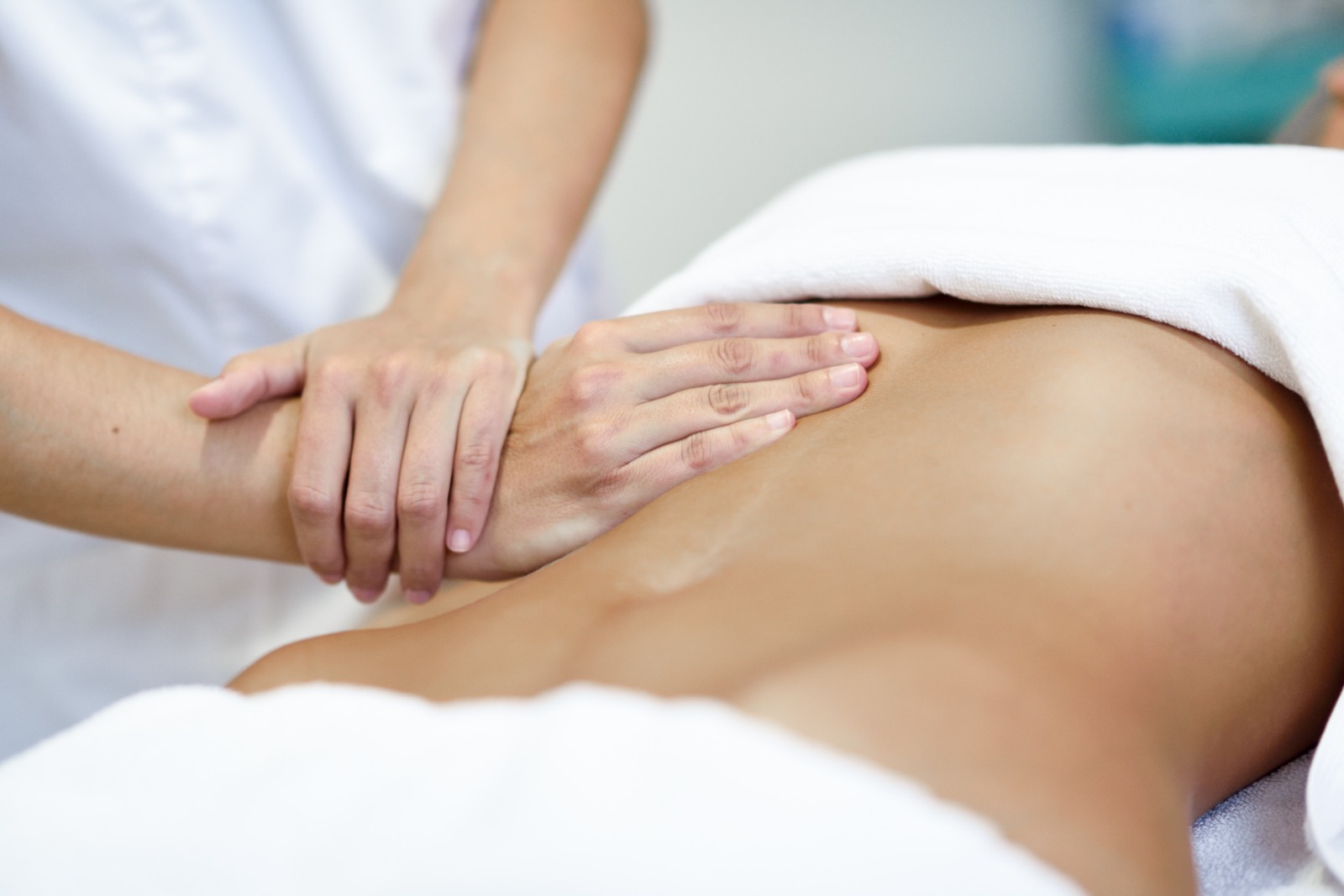
Unlike traditional massage, MLD does not use deep pressure. Slow, rhythmic movements are applied to the skin to encourage lymphatic flow and help move excess fluid from congested tissues.
People seek lymphatic drainage for many reasons beyond surgery. It can be particularly helpful for people managing lymphedema, lipedema, persistent swelling, fluid retention, inflammatory conditions, or chronic illness — as well as those simply looking for a gentle, restorative form of bodywork.
Every session is individualized to your health history, symptoms, and goals.
If you are post-op from plastic surgery cancer recovery or orthopedic surgery, please read the post-op recovery service page to learn more about how MLD can help after your procedure.
75-Minute Lymphatic Treatment: $140
Your lymphatic system is an important part of the body’s fluid-management and immune systems. A network of lymphatic vessels collects fluid from the tissues and transports it through lymph nodes before returning it to circulation.
When lymphatic flow is impaired or the body is dealing with an increased fluid load, you may notice swelling, heaviness, tightness, or a feeling of congestion in the tissues.
Manual Lymphatic Drainage uses very light, precise movements to encourage fluid toward functioning lymphatic pathways.
Because the superficial lymphatic vessels lie close to the skin, more pressure is not better. Effective MLD feels remarkably gentle compared with traditional massage.
Many clients find the repetitive, rhythmic movements deeply calming and restorative.
Lymphatic drainage is used for a variety of health concerns. Clients commonly come to me for help managing:
Lymphedema occurs when lymphatic fluid accumulates because the lymphatic system has been damaged or is not functioning normally. Lymphedema may be primary, or it may develop after damage to the lymphatic system from surgery, lymph node removal, radiation, trauma, or certain medical conditions.
MLD is one component of a larger lymphedema-management plan that may also involve compression, movement, skin care, and medical care.
Sessions focus on helping encourage fluid movement while reducing sensations of heaviness, fullness, pain, and tightness.
Lipedema is a chronic connective tissue disorder involving abnormal fat distribution, most commonly in the legs, but also can be present in the arms, abdomen, and the hips and glutes. Lipedema involves pain, tenderness, easy bruising, swelling, and feelings of heaviness.
Conservative management may include compression, appropriate movement, lifestyle measures, and Manual Lymphatic Drainage.
MLD does not remove lipedema fat or cure lipedema, but many people with lipedema incorporate this treatment into their ongoing symptom-management routine.
This is a specialty that is particularly important to Massage by Stephanie Stephanie herself has lipedema, so this practice understands that managing this chronic condition involves much more than treating a diagnosis. It affects how your body feels every day.
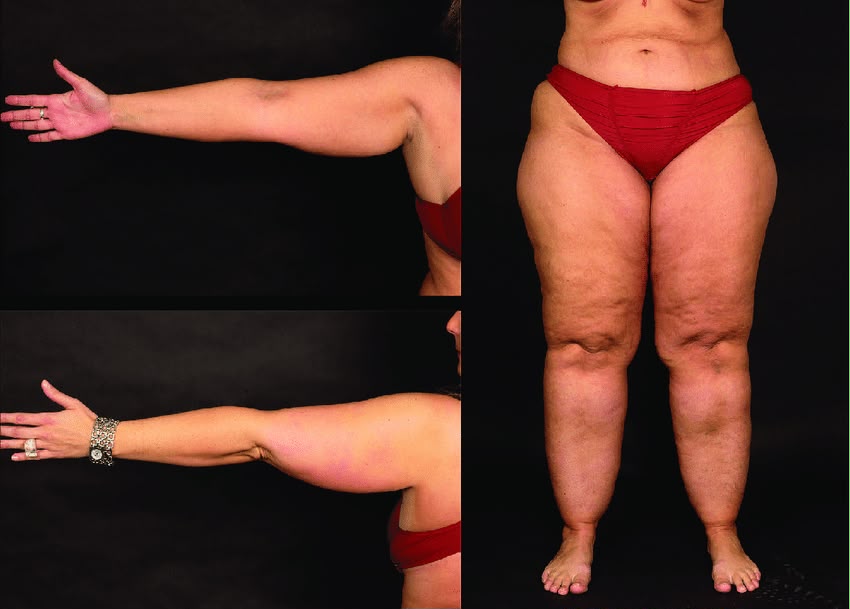
Not every swollen or heavy-feeling area is caused by lymphedema.
Some clients experience persistent swelling or fluid retention associated with medical conditions, previous injuries, changes in mobility, or other factors.
When MLD is medically appropriate, treatment can be customized to areas where you experience the most congestion or discomfort.
New or unexplained swelling should always be evaluated by a medical provider before massage.
People living with chronic illness often have different bodywork needs than someone simply coming in for a traditional massage.
We often work with clients managing complex health histories and conditions such as:
MLD does not treat or cure these underlying diseases. Instead, it can provide a gentle form of supportive bodywork tailored to someone whose body may not tolerate aggressive massage.
Pressure, positioning, treatment length, and areas of focus are always adapted to how you are feeling that day.
You do not need to have a diagnosed lymphatic disorder to receive MLD.
Some clients simply prefer this style of massage because they find it exceptionally relaxing.
MLD is slow, repetitive, quiet work. Because there is no deep pressure, many people who feel overstimulated, exhausted, stressed, or physically depleted find it easier to relax during a lymphatic session than during conventional massage.
Clients frequently describe feeling:
Your response is individual, and lymphatic massage should be viewed as supportive wellness care rather than a substitute for medical treatment.
If you’re accustomed to deep tissue massage, your first MLD treatment may surprise you.
The pressure is very light.
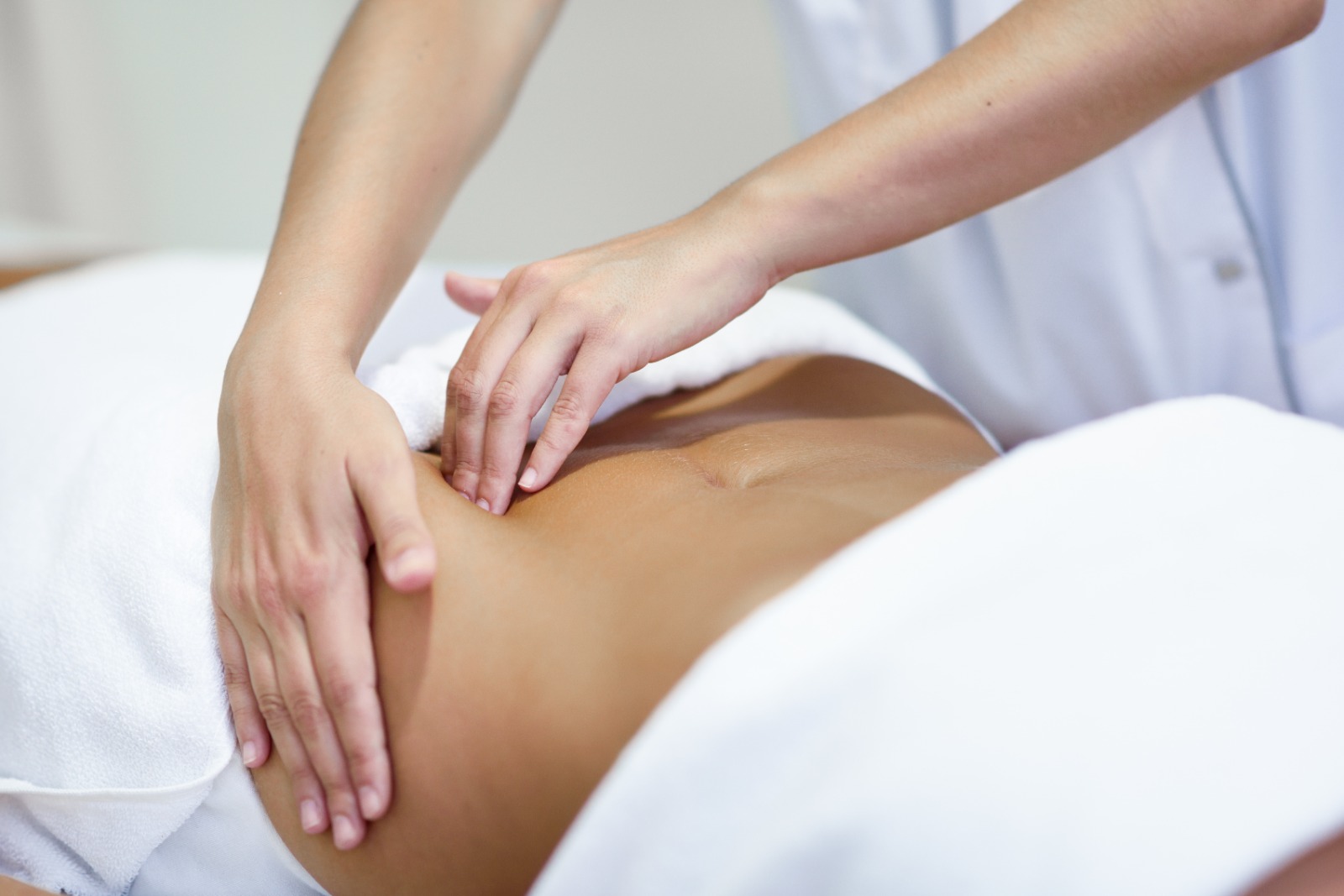
MLD uses slow skin stretching, gentle pumping movements, and rhythmic sequences that follow the body’s lymphatic pathways. Rather than working deeply into muscles, I am working primarily with structures located close to the surface of the skin.
A typical treatment includes work throughout much of the body, with additional attention given to areas where you experience swelling, heaviness, tenderness, or congestion.
Many clients become extremely relaxed — and falling asleep on the table is very common.
Your first appointment begins with a detailed health history.
We will discuss:
This is particularly important with lymphatic work because there is no one-size-fits-all lymphatic treatment.
A client with lipedema may need a different approach from someone with secondary lymphedema, chronic illness, generalized fluid retention, or no diagnosed condition at all. Your treatment will be adapted accordingly.
We want you to understand your own lymphatic system, and we spend the time to discuss how it works, what it does, and how to help support lymphatic care at home.
During your sessions, we discuss appropriate self-care strategies such as gentle movement, hydration, compression when prescribed, self-MLD, and other methods of supporting lymphatic health.
Following your first lymphatic treatment, Massage by Stephanie also provides two complimentary dry brushes — one for the body and one for the face — and show you how to use them safely at home.
Our goal is to make you an active participant in caring for your body between appointments.
Because MLD influences fluid movement, there are circumstances in which treatment should be postponed or medical clearance may be needed.
MLD may not be appropriate with:
If your medical history raises a concern, we may ask you to obtain clearance from your healthcare provider before beginning treatment.
Your safety always comes first.
Lymphatic drainage is a specialty requiring additional training — not simply a lighter version of Swedish massage.
Stephanie Porcaro, LMT, BCTMB®, MLD-C brings 23 years of professional massage therapy experience together with advanced education in lymphatic anatomy and treatment.
Our credentials include:
We have extensive experience working with clients who have complicated medical histories, chronic illness, swelling, cancer-treatment history, lipedema, and other conditions that require more thoughtful bodywork.
Most importantly, treatment is never performed according to a predetermined routine. We work with the body you have that day.
A person living with chronic illness may have spent years being examined, tested, treated, dismissed, poked, prodded, or told to simply live with symptoms.
Massage should not feel like another medical procedure you have to endure.
Our approach is collaborative. You know your body better than anyone else.
If something is uncomfortable, we change it. If your energy is low, we adapt. If lying in one position hurts, we reposition you. If you need quiet, you get quiet. If you want to understand exactly what we are doing and why, we are happy to explain it.
The goal is specialized care that respects both your medical needs and your experience of living in your body.
It’s highly individual.
Someone managing significant swelling or lymphedema may benefit from a different treatment frequency than someone with lipedema, chronic illness, or someone receiving MLD primarily for wellness.
After your first appointment, we can discuss what — if any — ongoing schedule makes sense for your goals.
No. Proper MLD uses extremely gentle pressure.
If an area is painful or tender because of your underlying condition, treatment is adjusted accordingly. Lymphatic work itself should not feel forceful.
No.
Both are chronic medical conditions. MLD may be incorporated into conservative symptom management, but it does not cure either condition.
Often, yes, but your individual medical history matters.
Cancer treatment can alter lymphatic pathways, particularly when lymph nodes have been removed or irradiated. Please tell us about your diagnosis and treatment history during intake. Medical clearance may be requested when appropriate.
Usually not.
However, if you have unexplained swelling, significant cardiovascular or kidney disease, an active medical condition, decompensated or poorly controlled heart failure, or another potential contraindication, we may ask you to consult your medical provider before treatment.
MLD is generally performed directly on the skin, with professional draping just as with traditional massage. Only the area being treated is uncovered.
No.
Traditional massage primarily works with muscles and connective tissue. Manual Lymphatic Drainage uses a specialized sequence of extremely gentle movements designed around the anatomy and function of the lymphatic system.
Post-operative lymphatic drainage requires its own specialized approach.
If you are preparing for or recovering from cosmetic or medical surgery — including liposuction, tummy tuck, breast surgery, mastectomy and reconstruction, joint replacement, or other procedures — please visit our dedicated Post-Op Lymphatic Recovery page.
Stephanie is amazing! I went to 4 other massage therapists who claimed to have experience with Manual Lymphatic Massage.
Unfortunately, I wasted time and money. Then I found Stephanie 🙂
She is very knowledgeable about Lipedema and has helped me so much. She came to my home twice a week post op and it was really what I believe helped me heal so fast. I feel safe in her hands and wouldn’t go to anyone else.
-Kristy R