One of the most common questions clients ask is:
“How often should I get a massage?”
The answer depends on several factors, including your goals, physical condition, stress levels, activity patterns, and whether you are seeking treatment for a specific concern or general wellness.
At Massage by Stephanie in Prescott, Arizona, there is no one-size-fits-all schedule. Each treatment plan is personalized to reflect the individual needs of the client and how their body responds over time.
If You’re Dealing With Chronic Pain or Muscle Tension
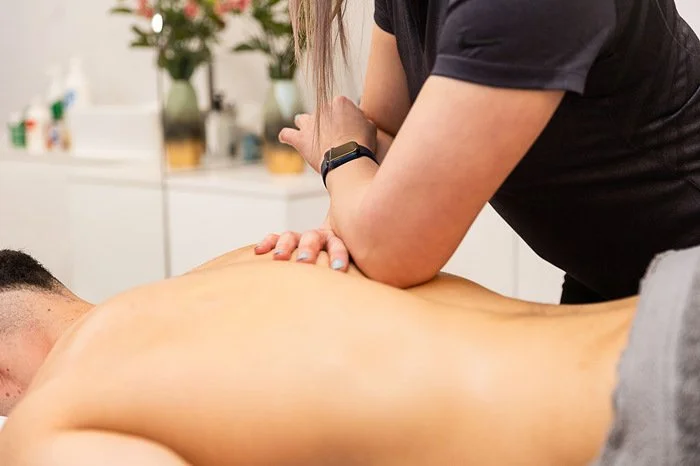
When clients begin therapeutic massage for chronic pain, muscle tightness, or restricted mobility, more frequent sessions are often helpful in the beginning stages.
During this phase, the goal is to begin addressing long-standing patterns of tension and support the body in gradually releasing restriction.
Many clients benefit from sessions every 2–4 weeks initially, especially when working to:
- Reduce chronic muscular tension
- Improve range of motion and mobility
- Address recurring pain patterns
- Support recovery from physical stress or injury
As the body begins to respond and symptoms improve, sessions may be spaced further apart based on individual progress.
If You’re Managing Stress and Everyday Tension
Stress is one of the most common contributors to muscular tightness in the body.
Many individuals carry stress physically in areas such as the:
- Neck
- Shoulders
- Jaw
- Upper back
- Hips
Over time, this can lead to chronic discomfort if not addressed regularly.
For stress management and general wellness, many clients find that monthly massage therapy is an effective rhythm for maintaining balance in both the body and nervous system.
Regular sessions can help prevent tension from accumulating and provide a consistent opportunity to reset and restore relaxation.
If You’re Physically Active
Athletes, active individuals, and people with physically demanding lifestyles often use massage therapy as part of their recovery and performance routine.
Therapeutic massage may help support:
- Muscle recovery between workouts
- Improved flexibility and mobility
- Injury prevention
- Increased body awareness
- Overall physical performance
Frequency depends on training intensity, workload, and recovery needs. Some clients benefit from biweekly sessions during peak activity periods, while others schedule massage monthly for maintenance.
If You’re Receiving Lymphatic Drainage Massage (Including Post-Surgical Care)
Lymphatic drainage massage (Manual Lymphatic Drainage or MLD) follows a different treatment rhythm than traditional therapeutic massage, especially in post-surgical recovery.
Post-Surgical MLD Frequency
After surgery, the body undergoes a healing process that often involves swelling, fluid retention, inflammation, and tissue remodeling. During this time, the lymphatic system is working to manage increased fluid load while recovering from surgical trauma.
In many cases, more frequent sessions are recommended in the early stages of healing, depending on surgeon clearance and individual recovery progress.
Typical post-surgical MLD scheduling may include:
- Early recovery phase: 2–3 sessions per week (when appropriate and cleared by a physician or surgeon)
- Intermediate healing phase: 1–2 sessions per week
- Later recovery phase: Weekly or biweekly sessions as swelling decreases
- Maintenance phase: Monthly or as needed for ongoing support
Each recovery timeline is unique, and frequency is adjusted based on:
- Type of surgery performed
- Level of swelling or fibrosis
- Individual healing response
- Medical provider recommendations
- Overall comfort and progress
The goal of post-surgical lymphatic work is to support the body’s natural healing process, assist fluid movement, and reduce discomfort while tissues recover.
For clients with chronic lymphatic conditions such as lipedema or lymphedema, treatment frequency may vary long-term and is always individualized based on symptom presentation and lifestyle needs.
Consistency Often Matters More Than Frequency
One of the most common misconceptions about massage therapy is that benefits only come from very frequent sessions.
In reality, consistency is often more important than intensity.
A sustainable schedule that aligns with your lifestyle, goals, and budget is typically more effective than sporadic treatment during periods of high pain or stress.
Regular care allows the body to adapt gradually, reducing the likelihood of tension building back up to a painful level.
Stephanie’s Philosophy on Treatment Planning
At Massage by Stephanie, there is no pressure to commit to rigid packages or fixed treatment schedules.
Instead, recommendations are based on:
- Your symptoms and goals
- How your body responds to treatment
- Your daily physical demands
- Your personal wellness priorities
Treatment planning is collaborative, flexible, and designed to support long-term results rather than short-term dependency.
The goal is simple: to help clients feel better, move better, and maintain progress in a way that fits their life.
Massage Therapy in Prescott, Arizona
Whether you are managing chronic pain, recovering from surgery, dealing with stress-related tension, or simply prioritizing your well-being, massage therapy can be a valuable part of your overall health routine.
At Massage by Stephanie in Prescott, Arizona, each session is customized to support your body’s unique needs and help you achieve lasting improvements in comfort and mobility.
If you are unsure how often you should receive massage or lymphatic drainage therapy, guidance is always available to help create a plan that supports your individual healing process and long-term wellness goals.