If you’ve ever experienced sciatica, you know it can be much more than a simple backache. The discomfort can travel from the lower back into the hips, buttocks, and even down the leg, making everyday activities frustrating and uncomfortable.
Many people wonder whether massage can help relieve sciatica symptoms. The answer depends on the cause of the irritation, but therapeutic massage is often a valuable part of a comprehensive approach to managing discomfort and improving mobility.
Physical therapy is also a helpful modality for sciatica pain.
What Is Sciatica?
Sciatica refers to irritation or compression of the sciatic nerve, the largest nerve in the body.
Common symptoms may include:
- Pain in the lower back
- Discomfort in the buttocks
- Tingling or numbness in the leg
- Burning sensations
- Muscle tightness in the hips and lower back
Sciatica can be caused by several factors, including herniated discs, spinal changes, muscle tension, or inflammation.
Generally speaking: sciatica starts either in the low back, or in the buttocks itself.
Symptoms are often on just one side of the body, although they can be present on both sides.
People who have to sit for long periods for work, and people struggling with the chronic disease of obesity may also experience sciatica.
Women often experience sciatica during pregnancy and after childbirth due to changes in the shape of the pelvis and pressure from the intra abdominal cavity.
Sciatica symptoms can also appear after hip replacement surgery, as the body learns how to integrate with the new joint and experiences muscle or tendon strain in the recovery process.
Sometimes the cause of sciatica is unknown. This can be of particular frustration for clients.
The Role of the Piriformis Muscle
One potential contributor to sciatic pain is a small but important muscle called the piriformis. Located deep in the buttock, the piriformis helps stabilize the hip and assists with rotation of the leg.
In some individuals, the sciatic nerve passes directly underneath—or even through—the piriformis muscle. When the piriformis becomes tight, irritated, or overworked, it can place pressure on the sciatic nerve and create symptoms that closely resemble sciatica. This is often referred to as piriformis syndrome.
Clients experiencing piriformis-related sciatic symptoms frequently report:
- Deep aching in the buttock
- Pain when sitting for extended periods
- Discomfort that radiates down the back of the leg
- Tightness through the hips and gluteal muscles
At Massage by Stephanie, careful attention is given to the muscles surrounding the hips, pelvis, and lower back when working with clients experiencing sciatic discomfort. Addressing tension and restriction in the piriformis and surrounding structures may help reduce strain on the area and improve overall comfort and mobility.
How Massage May Help Sciatica
While massage does not treat the underlying structural causes of sciatica, it may help address surrounding muscular tension that contributes to discomfort.
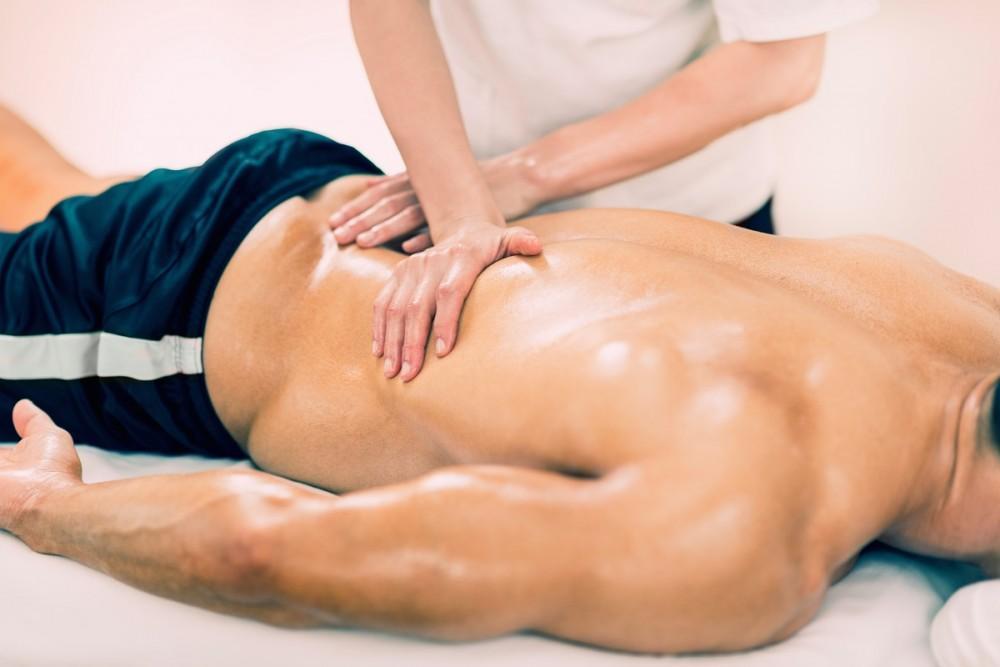
Therapeutic massage may help:
- Reduce muscle tightness
- Improve circulation
- Increase mobility
- Decrease stress-related tension
- Promote relaxation
Many clients notice that when tight muscles surrounding the lower back and hips begin to relax, they experience greater comfort and freedom of movement.
With greater relaxation in the muscle tissue, the pressure on the sciatic nerve is relieved, and clients feel fewer symptoms such as numbness, partial numbness, tingling, and sharp pain.
In addition to performing helpful massage therapy techniques to relieve sciatica pain, Stephanie is an advocate for daily stretching of the hips, glutes and pelvis. She will demo helpful stretches and encourage clients to do them regularly at home.
A Personalized Approach Matters
No two cases of sciatica are exactly alike.
At Massage by Stephanie, every session is customized to the individual. Rather than following a routine sequence, Stephanie evaluates where tension patterns are occurring and tailors treatment to your body’s needs.
Depending on your situation, treatment may incorporate:
- Therapeutic massage
- Myofascial techniques
- Deep tissue work
- Gentle stretching and passive range of motion
- Cupping therapy when appropriate
The goal is to help reduce muscular restrictions and support better movement throughout the body.
When to Seek Medical Evaluation
Because sciatica can have multiple causes, it is important to consult your healthcare provider if symptoms are severe, worsening, or accompanied by significant weakness, numbness, or changes in bladder or bowel function.
Massage works best as part of a broader wellness and healthcare plan when needed.
Therapeutic Massage for Sciatica in Prescott
If you’re experiencing lower back pain, hip tightness, or sciatic discomfort, Stephanie provides therapeutic massage in Prescott designed to address the unique patterns contributing to your symptoms.
Each session is customized with the goal of helping you move more comfortably and get back to doing the activities you enjoy.