
You’ve heard people say a massage “changed their life.” That sounds dramatic — until you’ve lived with chronic back pain, tight shoulders, or stress that just won’t quit.
Deep tissue massage isn’t the relaxing spa experience most people imagine. It’s a targeted, therapeutic technique that works through multiple layers of muscle and connective tissue to reach the real source of your pain and tension.
If you’ve been wondering whether it’s actually worth it — here’s everything you need to know, backed by research and years of hands-on experience working with clients right here in Prescott, AZ.
What Is Deep Tissue Massage?
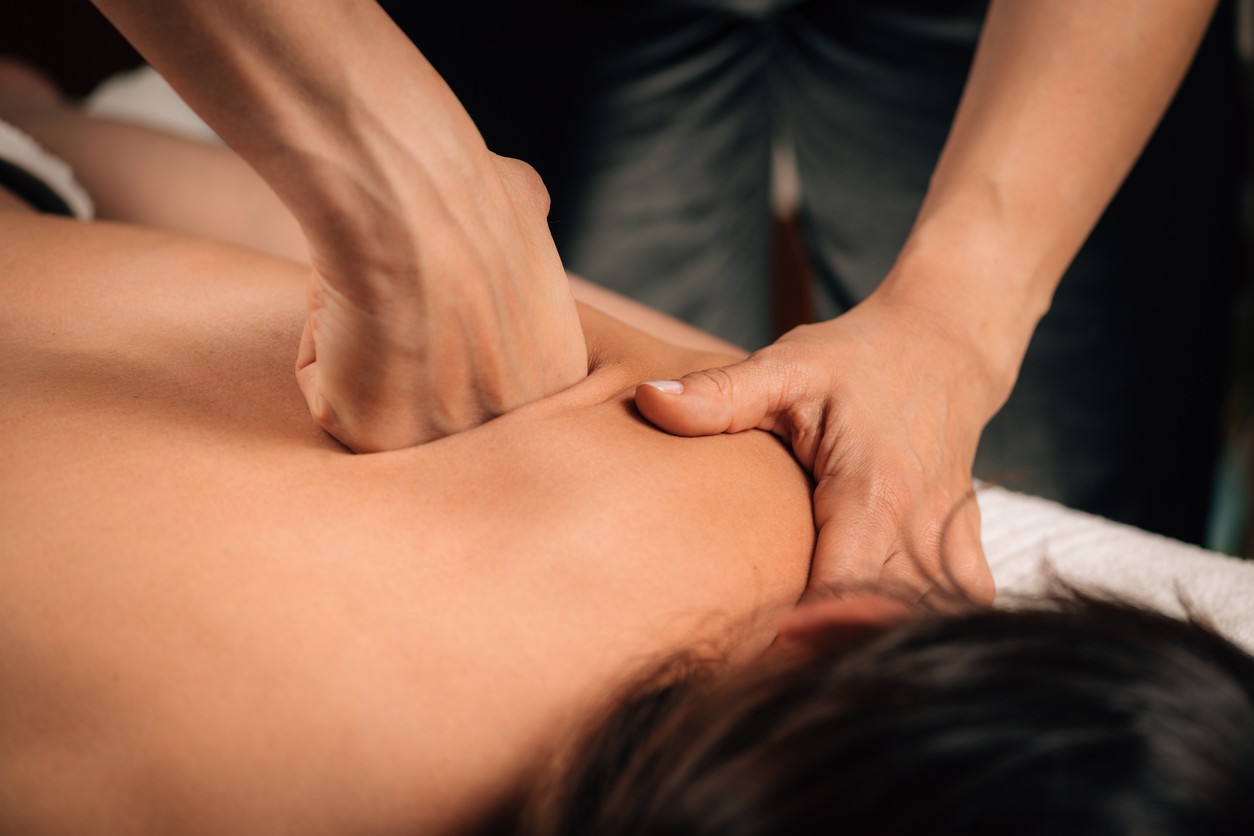
Deep tissue massage uses slow, firm strokes and concentrated finger pressure to reach deeper layers of muscle and fascia — the connective tissue that surrounds your muscles.
Unlike a Swedish massage (which focuses on surface-level relaxation), deep tissue targets chronic muscle tension, adhesions (knots), and scar tissue that have built up over time from repetitive movement, poor posture, or injury.
The therapist works methodically through layers of tissue, breaking down adhesions to restore normal movement and relieve pain at its source.
7 Evidence-Backed Benefits of Deep Tissue Massage
1. Relieves Chronic Pain — Especially in the Back, Neck & Shoulders
Chronic pain affects millions of Americans, and the lower back, neck, and shoulders are the most common trouble spots.
A study published in the Journal of Alternative and Complementary Medicine found that deep tissue massage was as effective as NSAIDs (non-steroidal anti-inflammatory drugs) for relieving chronic lower back pain — without the side effects.
When muscle fibers become chronically contracted, they compress nerves and reduce blood flow, creating that familiar ache that never fully goes away. Deep tissue massage literally breaks that cycle.
👉 If neck and shoulder tension is your biggest issue, read: Massage for Neck and Shoulder Pain: Why These Areas Become So Tight
2. Helps Break Down Scar Tissue
After an injury or surgery, your body repairs itself by forming scar tissue. The problem? Scar tissue doesn’t have the same flexibility or alignment as normal muscle fiber. It can create stiffness, restricted movement, and ongoing discomfort long after the original injury has healed.
Deep tissue massage helps break down this fibrous tissue and realign it, improving range of motion and reducing the pulling sensation many people describe in post-surgical areas.
This is one reason deep tissue massage pairs so well with post-surgery recovery — especially after orthopedic procedures or abdominal surgeries.
3. Lowers Blood Pressure and Heart Rate
Yes, really. A session of deep tissue massage has been shown to reduce both systolic and diastolic blood pressure.
Research from the American Journal of Hypertension indicates that massage therapy decreases cortisol levels (the primary stress hormone) while increasing the production of serotonin and oxytocin — your body’s natural “feel-good” chemicals.
Lower cortisol = lower inflammation, better sleep, and a calmer nervous system.
4. Reduces Tension Headaches
If you suffer from tension headaches, the root cause is almost always in the neck, upper back, and base of the skull — not the head itself.
Deep tissue work on the suboccipital muscles (the small muscles at the base of your skull) and the upper trapezius can provide real, lasting relief from headaches that OTC medication barely touches.
👉 Related: Can Massage Help Tension Headaches?
5. Improves Athletic Performance and Recovery
Athletes — from weekend warriors to serious competitors — use deep tissue massage as a core part of their training and recovery.
Here’s why:
- Pre-event: Loosens tight muscles, improves circulation, and prepares the body for performance
- Post-event: Reduces delayed onset muscle soreness (DOMS), flushes metabolic waste from muscles, and speeds recovery
- Between sessions: Prevents injuries by addressing imbalances and tightness before they become problems
The American Massage Therapy Association (AMTA) notes that massage is one of the most widely used recovery modalities among professional athletes.
6. Can Help with Sciatica Pain
Sciatic pain — that sharp, burning sensation that travels from the lower back down through the hip and leg — is often caused by the piriformis muscle compressing the sciatic nerve.
Deep tissue massage to the piriformis, glutes, and lower back can relieve this compression without medication or invasive procedures.
👉 Read more: Can Massage Help Sciatica?
7. Supports Mental Health and Sleep Quality
The physical benefits of deep tissue massage have a direct cascade effect on your mental wellbeing.
When your body isn’t in constant pain or holding chronic tension, your nervous system can finally shift from “fight or flight” (sympathetic) to “rest and digest” (parasympathetic). This shift leads to:
- Deeper, more restorative sleep
- Reduced anxiety and depression symptoms
- Improved focus and mood throughout the day
The Mayo Clinic recognizes massage as a complementary therapy for managing anxiety, insomnia, and stress-related conditions.
Who Is Deep Tissue Massage Best For?
Deep tissue massage is especially beneficial for:
- People with chronic pain conditions (back pain, fibromyalgia, arthritis)
- Those recovering from muscle injuries or orthopedic surgery
- Individuals with poor posture from desk work or repetitive motion
- Athletes looking to optimize performance and recovery
- Anyone experiencing tension headaches or sciatica
- People under high levels of chronic stress
It’s a full-body therapeutic approach — not just a luxury.
What to Expect During a Deep Tissue Session
A common question first-time clients ask: “Is deep tissue massage supposed to hurt?”
The honest answer: you may feel some discomfort, especially in areas of significant tension. This is often described as a “good hurt” — pressure that feels intense but releases almost immediately into relief.
A skilled therapist adjusts pressure based on your feedback. You should never leave a session feeling bruised or significantly sore.
After the session, some mild muscle soreness for 24–48 hours is normal — similar to how you feel after a good workout. Drinking water afterward helps flush metabolic waste released from the muscles.
Deep Tissue vs. Other Massage Types
| Type | Best For | Pressure Level |
| Deep Tissue | Chronic pain, injury, posture correction | Firm, targeted |
| Swedish | Relaxation, stress relief | Light to moderate |
| Lymphatic Drainage | Swelling, post-surgery recovery, immune support | Very gentle |
| Sports Massage | Athletic performance and recovery | Moderate to firm |
Not sure which type is right for you? Explore all services here or reach out directly — Stephanie will help you figure out exactly what your body needs.
How Often Should You Get a Deep Tissue Massage?
This depends on your goals and what you’re dealing with:
- Chronic pain or injury recovery: Every 1–2 weeks initially, then monthly maintenance
- Stress management and general wellness: Once or twice a month
- Athletic training: Weekly during heavy training periods, bi-weekly otherwise
👉 For a full breakdown: How Often Should You Get a Massage?
Why Book with Stephanie in Prescott, AZ?
Stephanie is a licensed, certified massage therapist in Prescott, Arizona, specializing in both therapeutic massage and lymphatic drainage massage.
Every session is tailored to the client — your pain patterns, medical history, and specific goals. No cookie-cutter routines. Just real, effective bodywork from someone who genuinely cares about your recovery and wellbeing.
New clients can take advantage of the introductory rate: $90 for a 60-minute session.
📍 Serving Prescott, Prescott Valley, Chino Valley, and surrounding areas.
Final Thoughts
Deep tissue massage isn’t a luxury — it’s a legitimate therapeutic tool that can reduce chronic pain, improve mobility, lower stress hormones, and help your body actually recover.
If you’ve been living with pain, stiffness, or tension that just won’t quit, a properly performed deep tissue massage might be exactly what your body has been waiting for.