One of the first questions I hear from post-surgical clients is:
“When should I start lymphatic drainage massage?”
The answer depends on the type of procedure you’ve had, your surgeon’s recommendations, and how your body is healing.
As a certified Manual Lymphatic Drainage therapist in Prescott, I work with many clients during their recovery process. Some arrive just days after surgery, while others seek treatment weeks later after realizing swelling and tightness are lingering longer than expected.
Why Swelling Happens After Surgery
Swelling is a normal part of healing.
During surgery, the tissue is traumatized and disrupted, and the body responds by sending additional fluid and immune activity to the area. This response is necessary for repair, but it can also create discomfort, tightness, and visible swelling.
The lymphatic system is responsible for helping clear excess fluid from the tissues. After surgery, that system can become temporarily overwhelmed, especially when large areas of tissue have been affected.
When Can Lymphatic Drainage Begin?
There is no universal timeline.
Some surgeons recommend beginning lymphatic drainage within a few days of surgery, while others prefer that patients wait longer. The most important step is always obtaining clearance from your surgeon and following their specific instructions.
I encourage every client to view their surgeon as the primary authority on post-operative care.
Once cleared, lymphatic drainage may become a valuable tool for supporting the body’s natural healing process.
Generally speaking, MLD is safe to begin the day after surgery.
What Makes Post-Surgical Lymphatic Work Different?
Many people assume post-surgical massage should be firm to “break things up.”
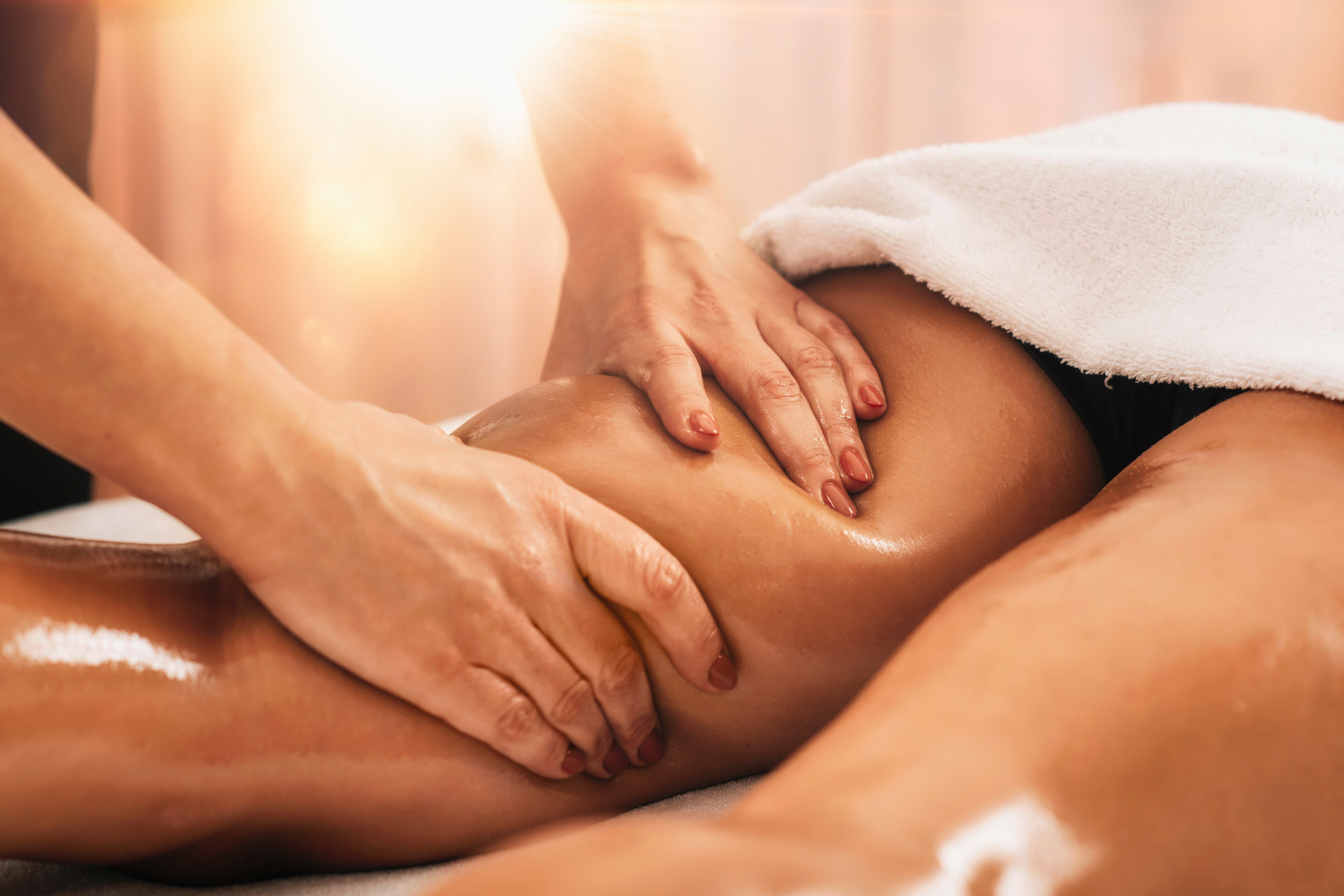
In reality, effective lymphatic drainage is extremely gentle.
The goal is not to force fluid movement through pressure. Instead, specialized techniques are used to encourage the fluid to move through the entire lymphatic system, and encourage healthy lymphatic circulation while respecting healing tissues. Moving this fluid creates an improved environment for increased healing in the body, and reduces your discomfort during healing.
My approach is always conservative, individualized, and appropriate for the stage of healing you’re in.
What Clients Commonly Experience
Every recovery is unique, but clients often seek treatment because they are experiencing:
- Swelling
- Tightness
- Fluid retention
- Feelings of heaviness
- Restricted movement
- Discomfort during recovery
Treatment plans are customized based on the procedure, healing stage, and individual goals.
Post-Surgical Lymphatic Drainage in Prescott
One reason I pursued advanced lymphatic training is because post-surgical recovery deserves specialized care. There are few providers in Prescott who offer this specialty. Many massage therapists are uncomfortable working with patients post-op, or simply don’t have the training to do so.
When you choose a therapist for lymphatic drainage, it is important to work with someone who understands both the anatomy of the lymphatic system and the unique considerations involved in post-operative treatment.
If you’re recovering from surgery and have been cleared by your healthcare provider, I’d be honored to support your healing process with individualized lymphatic drainage therapy here in Prescott.